
Navigating Uncertainty

.webp)
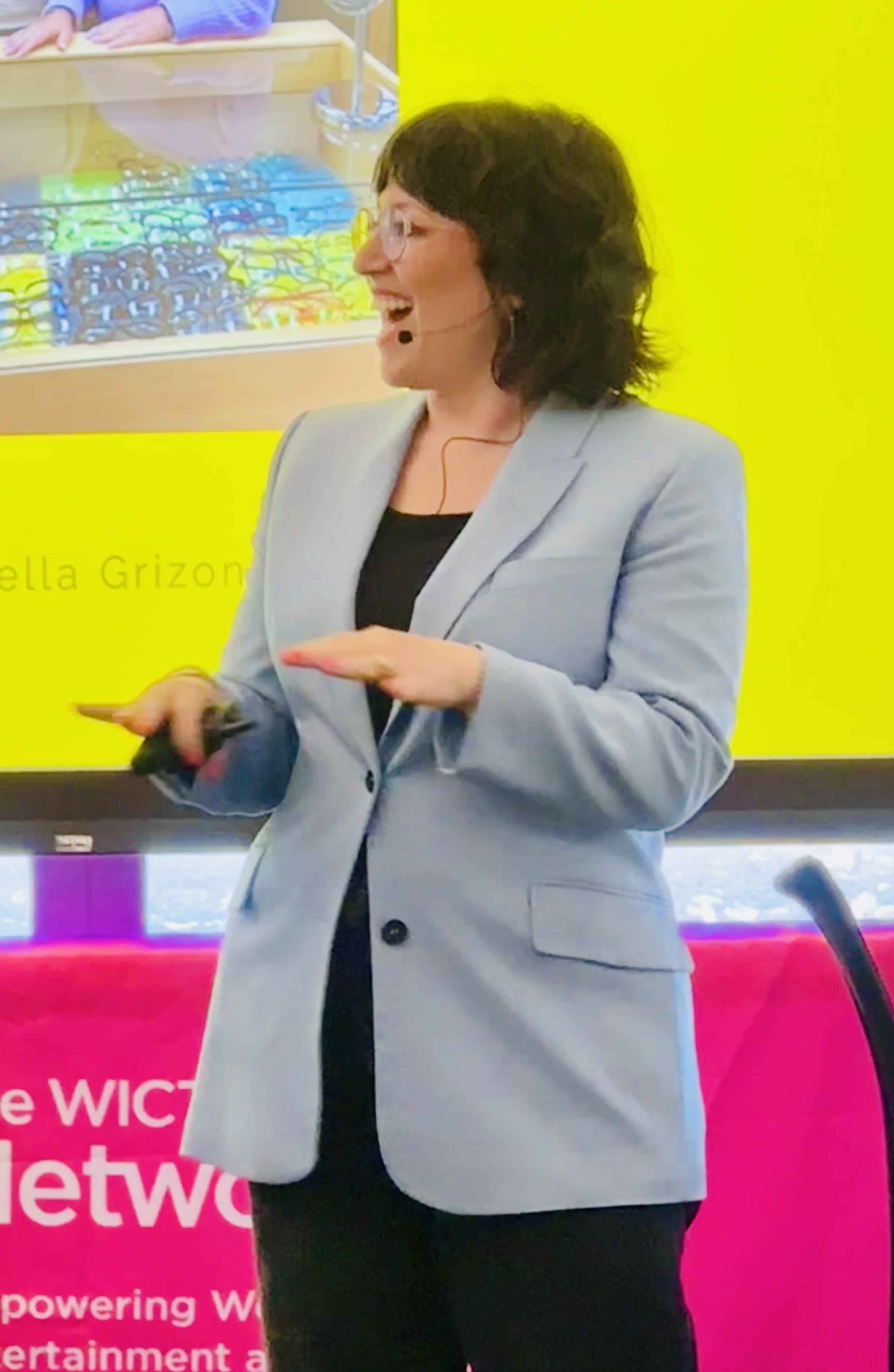
Hi! I'm Stella
Lately, I’ve been hearing versions of the same question from leaders:
“What am I supposed to tell my people when I don’t know what’s going to happen either?”
It’s a good question.
AI is moving fast, roles are changing, and organizations are restructuring and experimenting in real time.
While some people are diving in, playing, experimenting, and figuring out how AI can make them better at what they do...others are resisting it. Avoiding it. Or quietly wondering:
Will I be able to keep up?
Will what I’m good at still matter?
What does this mean for me?
Here’s what I keep thinking:
We’re spending a lot of energy developing our AI strategies. But we need a human strategy for AI, too.
Because you can give someone access to every AI tool in the world, but if they’re scared, overwhelmed, or worried about becoming irrelevant, they’re not in the best state to experiment, learn, or innovate.
And leaders are in a tricky spot. You can’t promise that nothing will change. You probably don’t know exactly what will change.
But saying nothing, or offering false reassurance, doesn’t make people feel safer.
So what do you do when you can’t give people certainty?
You help them build the capacity to navigate uncertainty.
You help people move from “What’s going to happen to me?” to “How can I shape what happens next?”
You create enough safety for people to experiment.
You remind them of where they still have agency.
And you help them see that change doesn’t only contain threat.
It contains possibility.
This is the work I’ve become increasingly excited about, and I’ve developed two new keynotes and workshops to help organizations navigate this moment:
1. Your Human Edge in the AI Economy
For employees: practical, science-backed tools to stay grounded in uncertainty, reconnect with their value, see new possibilities, and take meaningful action, even when they don’t know exactly what comes next.
2. Leading Through the Unknown
For leaders: how to communicate when you don’t have all the answers, create psychological safety without promising false security, encourage experimentation, and keep people engaged, agile, and united through transformation.
I believe the organizations that flourish in this next chapter won’t simply be the ones that adopt AI the fastest.
They’ll be the ones that help their people believe they have a place in the future and equip them to help shape it.
If you’re thinking about how to help your people navigate AI, uncertainty, or transformation, I'd love to talk.
Book a call with me here: http://meetwithstella.com
More Like This
All Blog Posts%20(1).jpg)

Insights, inspiration & resources, in your inbox.
.svg)

